
 See My Latest Article on HelloNation
Why Do People Wonder About Natural vs. Treated Gemstones?
Local residents often ask how to tell if a gemstone is untreated or if it has been changed by human intervention. The difference matters because treatments may impact value, durability, and how a stone should be cared for in daily life across Millville. Natural stones generally form as they are found, while treated stones have been altered to change their appearance—usually to enhance color or clarity.
What Are Common Gemstone Treatments?
Most treatments aim to make a gemstone look more attractive, but may not always be disclosed at the point of purchase. The most frequent alterations include:
- Heat treatment: Used routinely for sapphires and rubies to intensify color.
- Irradiation: Common with topaz and some diamonds to alter or enrich color.
- Dyeing: Frequently used on porous stones like turquoise and jade.
- Fracture filling: Filling cracks with resin or glass to improve clarity, especially in diamonds and emeralds.
- Bleaching: Mostly with pearls or jade to lighten color.
Some treatments are permanent, while others may fade or alter with exposure to sunlight, humid weather, or household cleaners in a typical local setting.
How Does a Natural Gemstone Differ Visually?
There is no single telltale sign, but careful visual inspection at home can help spot possible treatments. Natural stones often show:
- Inconsistent color zoning—natural gemstones, particularly sapphires and amethysts, exhibit growth lines or patches.
- Minor inclusions visible under magnification, such as tiny mineral crystals, “feathers,” or clouds. Treated stones sometimes look unnaturally clean or perfectly uniform.
- For pearls, natural ones usually have subtle surface texture variation.
Treated stones, especially those filled or dyed, may display:
- Surface fractures that look glassy or “flash” rainbow colors in the light.
- Dyed stones with concentrated color toward surface cracks or around drill holes.
- A slightly artificial appearance; colors may be more vivid than usual for the species.
Local humidity or salt air can sometimes cause dyes to bleed or fillings to degrade over time, revealing that a stone has been altered.
What Tools or Simple Tests Can Be Used at Home?
While lab testing is most reliable, local jewelry owners sometimes try at-home checks:
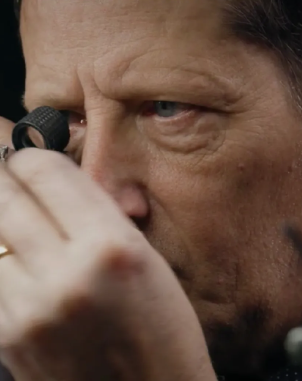
- Use a jeweler’s loupe (10x magnification) to inspect the gem for inclusions, color zoning, or surface features.
- Rub a cotton swab with acetone on an inconspicuous area. If color transfers, the gem may be dyed (do not attempt on porous or delicate stones; this also risks surface damage).
- Shine a small flashlight through the stone—fracture-filled gems may reveal bright flashes or bubbles inside.
- For pearls, gently rubbing two together can sometimes reveal surface coatings if they feel slightly gritty (natural) vs. slick (coated).
Be aware these methods are not definitive. Millville’s seasonal humidity changes can sometimes affect how stones and treatments show surface features, especially in softer stones.
When Is Laboratory Testing Necessary?
Some tests require lab equipment to get a conclusive answer, especially for high-value items or family heirlooms. Professionals may use:
- Spectroscopy to see how light interacts with the stone’s internal structure
- Microscopic examination for typical signs of treatment—like “heat halos” or filling residues
- Chemical analysis for certain dyes or fillers
For those with sentimental or valuable jewelry, confirmation from a gemological laboratory is sometimes the only way to know for certain, especially if documentation was lost or never provided.
Are Treated Gemstones Less Valuable?
Treated stones usually cost less than their untreated counterparts, but that does not always mean they are of poor quality. Many common treatments are widely accepted in the jewelry trade—as long as they are properly disclosed. For example:
- Most blue topaz gems on the market were originally colorless and treated to produce their signature shade.
- Heat-treated sapphires are widely available and considered durable.
The main concern for Millville families is to understand what they own, since future generations may want to know the history and true nature of treasured pieces.
What Are Common Misconceptions in the Community?
Some people believe that any visible imperfection means a stone is untreated, or that “perfect” gems must be synthetic or heavily worked. In reality, natural stones span a wide range of clarity and inclusions, and some treatments are extremely subtle. It’s also a myth that all treatments are harmful or drastically reduce longevity—many are stable, but some (like fracture filling) need extra care during cleaning.
How Should Treated Gems Be Cared For Differently?
Certain treated stones need a gentler touch. For example:
- Fracture-filled stones can be damaged by ultrasonic cleaners or exposure to heat.
- Dyed or surface-coated gems may fade when left in sunlight or exposed to household chemicals.
- Pearls that are bleached or coated should only be wiped with a damp cloth and stored away from moisture.
Residents who enjoy spending time outdoors or near the shore should take extra care, as humid or salty air may speed up deterioration of some treatments.