
 See My Latest Article on HelloNation
What Makes Fine Jewelry Different from Other Types?
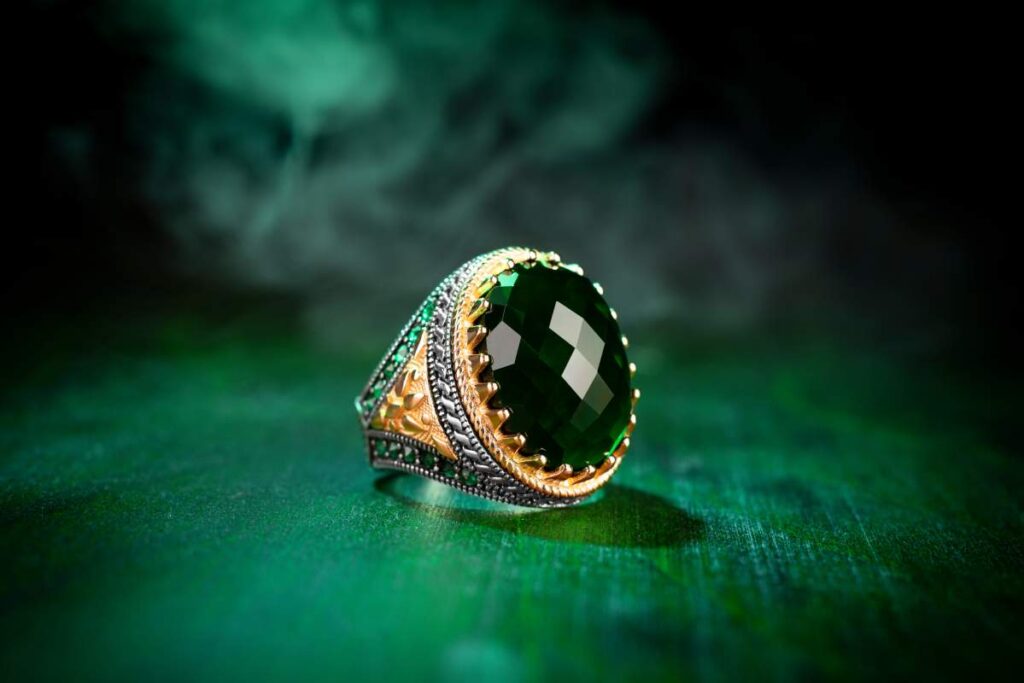
Fine jewelry refers to pieces made from precious metals such as gold, platinum, or silver, often paired with genuine gemstones. These materials are valuable on their own, giving fine jewelry both intrinsic and sentimental worth. Local residents may recognize fine jewelry as the heirloom pieces passed down through generations or those chosen for major life events.
Fine jewelry is designed for durability. Its craftsmanship ensures daily wear doesn’t lead to rapid tarnishing or breakage—important for those in Millville who want jewelry to last through seasonal humidity and frequent household activities. Because the metals and stones are authentic, maintenance (such as occasional cleaning) will help preserve value, but repairs are typically straightforward due to well-understood materials.
How Is Fashion Jewelry Defined?
Fashion jewelry covers a broad range of items designed to reflect trends and styles, typically constructed from less expensive metals (such as brass or stainless steel) and imitation stones. The term “fashion jewelry” often overlaps with “costume jewelry,” but not all fashion pieces are strictly costume items.
For local families, fashion jewelry may be the go-to for sprucing up outfits for community events or gatherings—an affordable way to accessorize without committing to a large investment. While these pieces can be beautiful and even durable, they’re almost always valued for their aesthetics rather than underlying material worth. Seasonal changes in Millville (high humidity, salt air, and sun exposure) may affect the longevity of fashion jewelry more quickly than fine pieces, so proper storage and occasional cleaning are wise.
Common examples include:
- Plated metal bracelets with glass stones
- Charm necklaces made from base metals
- Trendy hoop earrings seen in summer beachwear
What Sets Costume Jewelry Apart from Fashion Jewelry?
Costume jewelry is a type of fashion jewelry specifically created to complete a look, often imitating the appearance of more expensive items. Traditionally, “costume jewelry” refers to pieces designed for theatrical or decorative purposes, using wood, plastic, fabric, or non-precious metals.
For Millville, costume jewelry is commonly seen at local festivals, school performances, or theme gatherings. These are meant for occasional use. Many are mass-produced, and some feature whimsical themes or bold colors rather than mimicking the high-end styles of fine jewelry.
Features of costume jewelry:
- Primarily made from inexpensive, lightweight materials
- Can include painted metals, rhinestones, acrylic beads, or enamel
- More susceptible to damage from water, chemicals, or impact
Unlike fashion jewelry, which sometimes uses higher-quality bases or stones, costume jewelry is nearly always focused on look alone.
Can You Tell the Difference by Looking?
The distinction isn’t always immediately obvious, but a careful look at materials, finishes, and weight can help local shoppers distinguish among types.
Simple clues for identification:
- Real gold or sterling silver will be stamped with marks like “14K” or “925”
- Fine jewelry feels heavier and colder to the touch due to dense metals
- Costume jewelry finishes may chip, and stones often appear glued-in without secure settings
When in doubt, consider how and where you plan to wear it. For special family occasions or gifting, fine jewelry may be more meaningful. For quick style changes or seasonal fun, fashion or costume pieces might fit the mood and budget.
Does Local Climate Play a Role in Jewelry Longevity?
Millville’s humid summers, proximity to coastal air, and changing temperatures can play a big role in the wear and condition of jewelry. Fine jewelry, thanks to its robust materials, holds up well against tarnish if cared for properly. Silver may darken but is easily restored.
Fashion and costume jewelry, by contrast, are more prone to:
- Discoloration or chipping from sweat and humidity
- Fading or loss of plated finishes
- Weakening of adhesives in high heat or moisture
Area households often protect non-fine pieces by keeping them in closed containers, away from sunlight and dampness, especially during the warmest months.
Is There Overlap Between the Categories?
Yes, some items fall between categories or blur the lines. For example, a well-made bracelet using both sterling silver and simulated stones could be considered a quality fashion piece rather than pure fine jewelry. Vintage costume jewelry from past decades may develop collector interest, making some pieces worth more over time despite original materials.
Local estate finds or inherited collections in Millville sometimes reveal items that mix elements, which may require closer inspection to class accurately.
Common Misconceptions about Types of Jewelry
Some frequent misunderstandings among area residents include:
- Mistaking all shiny metal jewelry for fine jewelry—many fashion pieces are highly polished
- Assuming price always equals category—some designer fashion jewelry carries a high cost but uses non-precious materials
- Believing costume jewelry can’t have value—older or unique pieces sometimes gain collector appeal
Awareness of these distinctions helps avoid disappointment, especially when gifting or storing jewelry for long-term enjoyment.