
 See My Latest Article on HelloNation
Traveling with fine jewelry requires more than placing pieces in a suitcase and hoping they arrive safely. The main risks are loss, theft, damage, moisture, and difficulty proving ownership if something goes missing. With a small amount of preparation, travelers can reduce those risks without making jewelry travel complicated.
Should every piece of fine jewelry go on the trip?
No. The safest piece of jewelry to travel with is the piece that has a clear purpose for the trip. Before packing, consider whether each item is needed for a specific event, worn regularly for personal reasons, or simply being brought “just in case.”
Leave items at home when they are:
- Rarely worn or difficult to replace
- Especially sentimental
- Easily removed without notice
- Not covered by an appropriate insurance policy
- Unsuitable for the destination or planned activities
A smaller collection is easier to inspect, secure, and keep track of. For many trips, one versatile pair of earrings, a simple necklace, or a wedding ring is more practical than carrying an entire jewelry box.
How should jewelry be packed?
Fine jewelry should be packed individually so pieces do not rub against one another or become tangled. A soft-lined jewelry case with separate compartments is useful, but a simple system can work if a formal case is not available.
Place each item in a small soft pouch or a separate resealable bag. Necklaces can be threaded through a drinking straw or placed in a narrow sleeve to reduce knots. Earrings should be fastened through a small piece of sturdy paper or soft fabric so the posts do not pierce other items.
Avoid packing jewelry loose in a toiletry bag, exterior suitcase pocket, or clothing fold. These locations expose pieces to pressure, spills, accidental disposal, and scratching.
Keep jewelry away from:
- Perfume and cosmetics
- Hair spray and styling products
- Sunscreen and skin creams
- Coins, keys, and metal accessories
- Loose sand or grit
- Damp clothing
Moisture deserves extra attention for residents traveling during humid Delaware weather or returning from coastal areas. Jewelry should be completely dry before it is stored, particularly pieces with intricate settings or materials that can react to prolonged dampness.
Is jewelry safer in checked luggage or a carry-on?
Fine jewelry should generally stay with the traveler rather than being placed in checked luggage. Checked bags may be delayed, opened, mishandled, or delivered separately from their owner. A carry-on or personal bag allows the traveler to maintain direct control.
Do not place jewelry in an exterior pocket that can be opened easily in a crowded terminal, parking area, or transportation queue. A secure interior compartment is preferable. The bag should remain close enough to notice if it is moved or opened.
Security screening can require jewelry to be removed, especially larger metal pieces. Before reaching the screening area, consolidate loose items in a secure pouch rather than placing them directly into a tray. Avoid leaving jewelry behind after screening by checking the tray and surrounding area before walking away.
Should jewelry be worn during travel?
Wearing jewelry during travel is not automatically safer. A traveler may forget to remove a ring while washing hands, catch a bracelet on a seat or bag, or draw unwanted attention by wearing several valuable pieces in public.
For ordinary travel days, understated jewelry is usually easier to protect. Remove pieces before sleeping in unfamiliar accommodations, using hotel or public swimming facilities, exercising, or participating in outdoor activities.
A wedding ring or other daily-wear item may remain on the hand if that is the owner’s normal practice. However, it should be removed before applying lotions, entering chlorinated or salt water, or performing tasks that could bend the setting or loosen a stone.
How can travelers reduce theft risk?
Jewelry is most vulnerable when attention is divided. Crowded transportation areas, rest stops, busy events, and unfamiliar lodging can make it harder to notice a missing item.
Practical habits include:
- Keep jewelry concealed when it is not being worn.
- Do not discuss its value in public.
- Avoid leaving jewelry on bathroom counters, bedside tables, or open luggage.
- Use the room safe when appropriate, but do not assume it is the only security measure needed.
- Inspect the room before checkout, including drawers, under the bed, bathroom areas, and charging spaces.
- Keep a written or digital inventory separate from the jewelry itself.
A room safe can reduce casual access, but it does not eliminate risk. If a safe is used, confirm that the door is locked and avoid displaying its contents while other people are nearby. In lodging without a safe, a locked bag secured inside the room may offer some protection, although it should not be treated as theft-proof.
What should be documented before leaving?
Before a trip, photograph each important piece against a plain background. Capture the front, back, clasp, hallmark, distinctive scratches, and gemstone settings. Record descriptions such as metal type, approximate weight, stone characteristics, and identifying marks.
If available, gather:
- Receipts or prior purchase records
- Appraisals
- Insurance schedules
- Registration or laboratory documents
- Repair records
- Photos showing the jewelry being worn
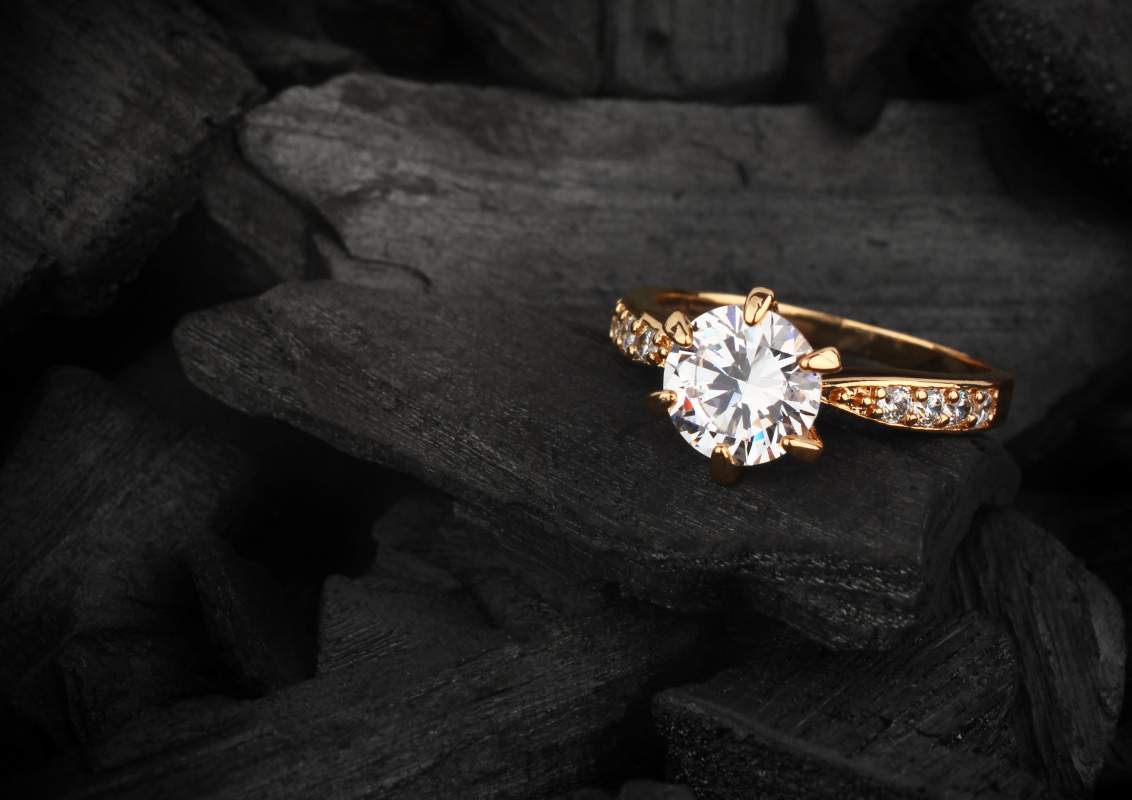
Store copies in a secure digital location that is accessible while traveling but not publicly shared. Documentation helps establish ownership and may be needed for an insurance claim. It also makes it easier to identify a missing item accurately.
Do not post detailed travel plans or photographs that clearly reveal valuable jewelry while the trip is underway. Public updates can unintentionally show that a home is unoccupied or reveal what someone is carrying.
Does travel insurance cover fine jewelry?
Travel insurance does not always provide full protection for valuable jewelry. Policies may contain limits, exclusions, deductibles, documentation requirements, or special rules for unattended items. A homeowner’s or renter’s policy may also have a jewelry limit that is lower than the item’s replacement value.
Review coverage before traveling, especially for international trips or high-value pieces. Check whether the policy covers:
- Theft from lodging
- Loss outside the home
- Accidental disappearance
- Damage during transportation
- Mysterious disappearance
- Required proof of ownership
- Geographic or time limits
Insurance coverage is a contract, so assumptions can be costly. The policy language controls. Keeping current records and understanding the deductible are as important as knowing the stated coverage amount.
What precautions are needed around water, heat, and outdoor activities?
Water, sunscreen, sand, and heat can damage or loosen jewelry. Chlorine may affect certain metals, while saltwater and sand can work into clasps and settings. Sunscreen and skin products can leave residue that dulls surfaces or collects around stones.
Remove jewelry before:
- Swimming or soaking in a hot tub
- Applying sunscreen or insect repellent
- Exercising
- Gardening, hiking, or handling equipment
- Using cleaning chemicals
- Sleeping in unfamiliar conditions
Warm weather can also cause fingers to swell, making rings harder to remove. If a ring feels tight, do not force it. Cooling the hand and elevating it may help, but persistent swelling, pain, numbness, or discoloration requires medical attention.
What should happen if jewelry is lost during travel?
Act quickly, but avoid disturbing the area until it has been searched carefully. Retrace the last confirmed locations, inspect clothing and bags, and notify lodging staff or transportation personnel if appropriate. A written report may be necessary for insurance purposes.
Record the date, approximate time, location, and circumstances. Save receipts for related expenses and preserve any messages or reports connected with the loss. If theft is suspected, local law enforcement or the relevant transportation authority may need to be notified.
The most effective travel routine is simple: bring fewer pieces, document them beforehand, keep them under personal control, protect them from moisture and chemicals, and check for them at every transition. That approach works whether the trip is a short weekend away from Millville or a longer journey involving several accommodations and activities.