
 See My Latest Article on HelloNation
What Makes Pearls Unique Among Fine Jewelry?
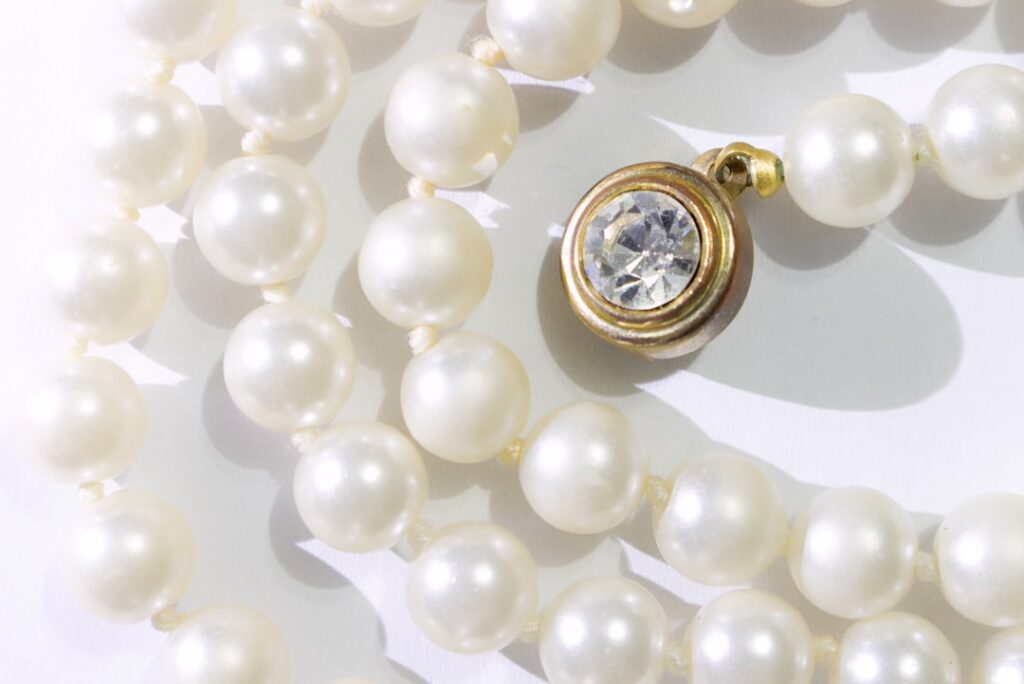
Pearls stand out from other jewels because they are created organically in water-dwelling mollusks, rather than being mined from the earth. Their delicate luster and soft surface set them apart from gems like diamonds or sapphires, making both their care and styling somewhat different. Local residents may appreciate pearls for their understated elegance, which suits a variety of settings from beach gatherings to formal events in and around Millville, DE.
How Should Pearls Be Cleaned and Stored?
Pearls require gentler treatment than most gemstones due to their soft, porous nature. Always wipe pearls with a soft, slightly damp cloth after wearing. This removes body oils, salt, and environmental residues that can dull their surface over time—something relevant in coastal and humid environments typical for the city.
- Avoid soaking pearls or using ultrasonic cleaners.
- Mild, pH-neutral soap and lukewarm water may be used sparingly, but harsh detergents or chemicals should be strictly avoided.
- Allow pearls to dry flat on a towel before storing to prevent strand stretching.
Store pearls separately from other jewelry items to prevent scratching. A cloth pouch or a fabric-lined section of a jewelry box is ideal. In the city’s humid months, consider placing a small silica gel packet nearby to prevent excess moisture from affecting the pearls.
Are There Everyday Habits That Help Pearls Last Longer?
Adopting a few basic habits will maintain the beauty and integrity of pearls for decades.
- Pearls should be the last item put on and the first taken off when dressing. This reduces exposure to perfumes, hairsprays, and cosmetics.
- Avoid wearing pearls while swimming or showering, as chlorine and tap water can degrade the surface.
- Wipe pearls after each use, especially during warm weather or high humidity, which can accelerate natural deterioration.
For those in Millville with active outdoor or community lifestyles, periodically check the string of pearl necklaces for stretching, fraying, or soil buildup.
How Often Should Pearls Be Restrung?
The silk or nylon thread used in pearl strands gradually weakens over time. For frequently worn jewelry, consider restringing every one to two years. If the necklace appears stretched or you notice gaps between pearls, it is a sign that restringing may be needed sooner.
Restrung pearls should be individually knotted between each pearl to prevent them from rubbing against each other, which is especially important in environments with sandy particles or salt in the air, as can happen in the local area.
What Are Common Misconceptions About Pearl Care?
Several myths persist about pearl jewelry maintenance:
- Some believe pearls "like water." In reality, too much moisture can cause damage.
- Leaving pearls in sunlight to "cleanse" them can cause fading and loss of luster.
- Toothpaste or abrasive cleansers are sometimes recommended for cleaning, but these will scratch the nacre and permanently harm the pearls.
Understanding these misconceptions helps residents avoid well-intentioned but damaging practices that could shorten the life of their jewelry.
How Can Pearls Be Styled for Different Occasions?
Pearls provide remarkable versatility, suitable for daily wear or special events in this close-knit community. Their understated glow matches both casual summer outings and more formal gatherings.
- For daily wear: Stick to stud earrings, single-strand necklaces, or simple bracelets. These pair well with sundresses or office attire without appearing overly formal.
- For formal occasions: Multistrand necklaces, pearl pendants, or statement bracelets add a touch of luxury without being flashy.
- Mixing pearls with metals or layering different lengths adds an updated look to traditional strands, which is a practical way to keep family heirlooms feeling current.

In Millville’s laid-back social settings—outdoor picnics, art fairs, or holiday parties—pearls can add refinement without being overbearing.
When Should Pearls Be Avoided?
Certain settings or activities should be avoided when wearing pearls:
- Gardening or participating in rugged outdoor activities, where dirt or impact could damage the surface.
- Cooking or cleaning with household chemicals, which can dull or erode the pearl’s nacre.
- Extended sun exposure, as ultraviolet light may yellow the color over time.
Area households may also want to remove pearl jewelry before engaging in home improvement projects or any event where accidental banging or scratching is likely.
What Are Practical Tips for Passing Down Pearl Jewelry?
Pearls are popular legacy gifts, especially in families looking to preserve memories through meaningful objects. To ensure pearls retain their value and appearance for future generations:
- Document the piece’s history and any care provided over the years.
- Store pearls in a dedicated, climate-stable location away from heat sources and direct sunlight.
- Restrung and cleaned pearls display better when handed down, and careful packaging during transfers prevents accidental damage.
Families in Millville often treasure jewelry as part of their heritage, making proper care even more crucial from one generation to the next.