

 See My Latest Article on HelloNation

How can jewelry be worn comfortably every day?
Everyday jewelry should fit securely, match normal routines, and tolerate the conditions it is likely to encounter. The most practical approach is to choose a small number of well-fitting pieces and create simple habits for removing, cleaning, and storing them.
A ring that spins, a chain that catches on clothing, or earrings that irritate the skin can become a daily nuisance. Comfort is not a minor detail; it often determines whether a piece is worn safely and consistently.
Before wearing a piece regularly, check:
- Whether the ring or bracelet slides, pinches, or leaves deep marks
- Whether a clasp closes completely
- Whether the chain length allows normal movement without catching
- Whether earrings cause redness, tenderness, or swelling
- Whether the piece stays secure during work, sleep, exercise, and household tasks
A comfortable fit may change throughout the day. Warm weather, humidity, hand movement, and temporary swelling can make rings feel tighter. In the coastal climate around Millville, DE, summer heat and moisture may make jewelry feel less comfortable than it does during cooler months.
Which jewelry is safest for daily routines?
Simple, low-profile pieces are usually easier to wear every day than elaborate designs with many raised details. Smooth bands, securely set stones, and sturdy clasps are less likely to catch on sweaters, bedding, hair, or household materials.
Daily wear is generally more suitable for pieces that:
- Sit close to the body
- Have no sharp or exposed edges
- Use secure closures
- Are not so delicate that ordinary movement could bend or break them
- Do not interfere with work, cooking, cleaning, or other regular activities
A fine chain may be appropriate for routine wear but not for every activity. A thin bracelet can snag more easily than a smooth bangle, while a ring with a high setting may catch on gloves or pockets.
Jewelry should be removed before activities that place unusual stress on metal or settings. This includes lifting heavy objects, gardening, sports, swimming, bathing, and working with tools. Chlorinated or salty water can affect some metals and may weaken certain materials over time. Soap, lotion, sunscreen, and hair products can also collect behind stones and around clasps.
Should jewelry be removed before sleeping?
Removing jewelry before sleep is a useful precaution, especially for chains, dangling earrings, rings with raised settings, and delicate bracelets. Bedding can pull on a clasp, and repeated pressure can bend thin components or loosen a stone setting.
Sleeping in rings may also cause discomfort if fingers swell overnight. Earrings can press against the ear or catch on pillows. Necklaces may twist around the neck or become tangled.
A practical routine is to remove jewelry in the same place each evening. A small lined dish or fabric pouch helps prevent pieces from being placed on bathroom counters, windowsills, or other surfaces where they can be knocked into drains or exposed to moisture.
How should jewelry be cleaned at home?
Most everyday jewelry can be cleaned gently with lukewarm water, a small amount of mild dish soap, and a soft brush. A clean, soft toothbrush can help reach the underside of a stone, the inside of a ring, or the links of a chain.
Use this basic process:
- Close clasps before cleaning chains so they do not tangle
- Place a stopper in the sink or clean jewelry over a bowl
- Soak briefly rather than leaving pieces submerged for long periods
- Brush lightly around settings and crevices
- Rinse thoroughly with clean water
- Pat dry with a soft, lint-free cloth
- Allow the piece to dry completely before storing it
Avoid abrasive cleaners, rough cloths, toothpaste, and stiff brushes. These can scratch metal or damage finishes. Ultrasonic cleaners are not suitable for every piece because vibration may loosen stones or harm fragile construction.
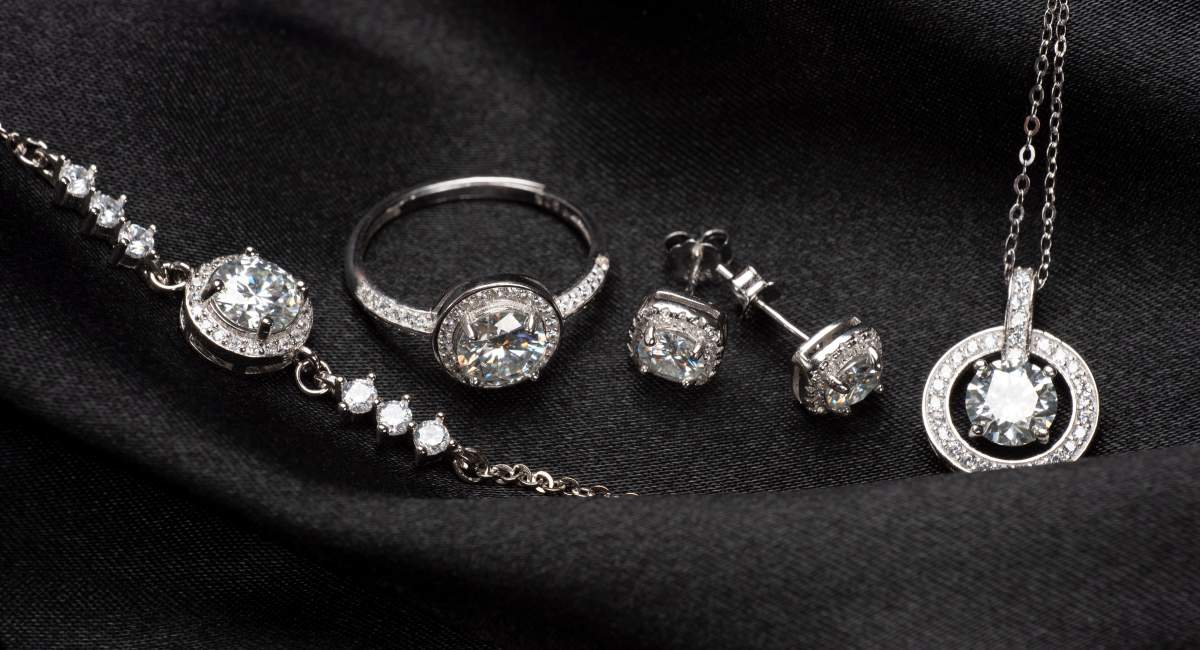
Pearls, opals, turquoise, emeralds, and other porous or relatively delicate materials require extra care. They should generally be wiped with a slightly damp cloth rather than soaked. If a piece has an unknown treatment, an unusual stone, or visible damage, gentle wiping is safer than experimenting with household cleaners.
How can jewelry be protected from lotions, sweat, and moisture?
Jewelry should usually be the last part of a morning routine. Apply lotion, sunscreen, perfume, hairspray, and cosmetics first, then allow them to dry before putting on jewelry. This reduces residue that can dull metal and cloud stones.
Sweat and moisture are also worth considering. Remove jewelry after exercise and dry the skin before putting pieces away. Do not leave damp jewelry in a closed container, since trapped moisture can contribute to tarnish and unpleasant odors.
In homes where air conditioning changes indoor humidity or where windows are frequently opened during warm weather, jewelry may be exposed to fluctuating moisture levels. Storing pieces in a dry, stable location is more useful than leaving them in a bathroom, where steam and humidity are common.
What is the best way to store pieces worn often?
Frequently worn jewelry should still be stored separately. Contact between pieces can cause scratches, tangles, and friction around stone settings.
Useful storage habits include:
- Keep chains in individual compartments or pouches
- Store earrings as pairs
- Lay rings flat instead of stacking them tightly
- Keep silver away from excessive air and moisture
- Use a soft-lined container rather than a loose drawer
- Store jewelry away from direct sunlight and heat sources
Do not place fine jewelry in a pocket, on a countertop near a sink, or in a shared dish with keys and coins. These locations create avoidable risks of scratching, loss, or accidental damage.
Travel requires additional care. A compact jewelry case with separate sections is safer than wrapping pieces loosely in clothing. Photographing jewelry before travel can also help with personal records if something is misplaced.
How often should everyday jewelry be inspected?
A quick inspection every few weeks can identify small problems before they become losses. Look for loose stones, bent prongs, worn clasps, stretched links, thinning areas, and unusual movement.
Pay particular attention to rings worn during frequent handwashing, outdoor work, or household chores. Repeated contact with hard surfaces can gradually wear down prongs and shanks. Earrings should be checked for secure backs, and bracelets should be examined where the clasp meets the chain.
If a stone rattles, a prong feels sharp, or a clasp no longer closes firmly, stop wearing the piece until it can be safely assessed. Continuing to wear damaged jewelry can turn a small repair into a lost stone or broken component.
Can fine jewelry be worn every day without damaging it?
Yes, many fine jewelry pieces can be worn regularly when they are suited to the wearer’s routine and maintained properly. Daily wear does not mean constant wear. Removing jewelry during sleep, bathing, exercise, cleaning, swimming, and hands-on work significantly reduces unnecessary stress.
The goal is not to avoid wearing jewelry. It is to match each piece to the right activity, keep it clean and dry, store it carefully, and notice changes in fit or condition. Those habits help everyday pieces remain comfortable, secure, and practical for the long term.