
 See My Latest Article on HelloNation
What Are the “Four Cs” of Diamonds and Why Do They Matter?
The Four Cs—cut, clarity, color, and carat—are globally recognized standards for evaluating diamond quality. For residents in Millville, DE, understanding these features can make jewelry decisions easier, whether for engagement rings, family keepsakes, or special gifts. Each of the Four Cs impacts how a diamond looks and how it’s valued.
How Does Diamond Cut Affect Appearance?
Cut refers to how precisely a diamond is shaped and faceted, not its original shape or “size.” A well-cut diamond returns more light, making it appear brighter and more brilliant.
- Ideal or Excellent Cut: Maximizes light reflection, giving the diamond noticeable sparkle.
- Poor Cut: May look dull or “lifeless,” even when other qualities are high.
Local climate and daylight can influence how brilliance is perceived. In Millville, with weather ranging from sunny beach days to overcast winters, a diamond’s cut can be especially noticeable in varying light conditions. Many people are surprised to learn that cut quality has more impact on visible beauty than color or clarity alone.
What Does Diamond Clarity Mean—and Does It Matter for Everyday Wear?
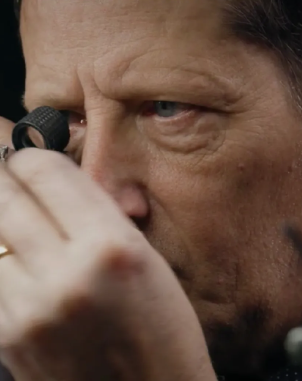
Clarity grades describe how free a diamond is from internal flaws (“inclusions”) and surface marks (“blemishes”). Most diamonds have minor inclusions, though these are often invisible without magnification.
Clarity is scored from Flawless (no inclusions visible under 10x magnification) down to Included (where flaws can be seen without magnification). For many Millville residents, diamonds in the “VS” (Very Slightly Included) or “SI” (Slightly Included) ranges offer a balance between appearance and value. Flaws at these levels typically don’t impact durability or sparkle—especially in rings or jewelry worn daily.
Common misconception: Increased clarity doesn’t always mean a visible difference to the naked eye, especially when set in jewelry.
Does Diamond Color Make a Difference in Everyday Life?
Diamond color actually means “lack of color.” Most diamonds are graded on a scale from D (colorless) to Z (light yellow or brown). In lower grades, diamonds may have a faint yellow hue, which is more noticeable in larger stones or when set in white metals.
- Colorless (D-F): Rare and most expensive, often reserved for investment or heirloom pieces.
- Near Colorless (G-J): Look virtually clear to most people, especially in local lighting and natural daylight in Millville.
- Faint Color (K-M): Slight warmth is visible, which some people prefer for antique styles or settings in yellow gold.
A key tip for the local community: Setting choice affects perceived color. Warm-toned settings can hide faint tints, making more affordable diamonds look whiter in daylight or the softer indoor lighting common in area homes.
What Is Carat Weight—And Is Bigger Always Better?
Carat is a unit of weight, not physical size. One carat equals 0.2 grams. While larger carat diamonds can look impressive, cut often has a bigger effect on a stone’s visual impact. A well-cut, smaller diamond may appear larger and more brilliant than a poorly cut diamond of higher weight. In Millville, where family and community sentiment often outweigh showiness, many residents value meaning and design over size alone.
- Higher carat weight increases price disproportionately—two half-carat diamonds cost less than one single one-carat diamond of the same quality.
- Local jewelers often advise considering finger size and lifestyle: Residents who are active outdoors or work with their hands might find lower-profile stones more practical for daily wear.
Misconception: Carat only influences “how big” a diamond looks. In reality, surface area and mounting matter just as much.
How Can Local Residents Balance the Four Cs for Everyday Jewelry?

For many in the city, achieving a balance that fits both personal style and budget is the real goal.
- Prioritize cut for maximum brilliance, regardless of carat weight.
- Aim for clarity and color qualities that make sense for your needs; most minor flaws or tints are invisible in normal lighting.
- Think about the setting, lifestyle, and how the jewelry will be worn—from gardening to family gatherings or beach days in the community.
- Trust your own eyes: In-person viewing in everyday Millville lighting is often the most reliable way to choose.
What Are Some Overlooked Factors for Millville Households?
Residents sometimes overlook that:
- Environmental factors, such as sand, humidity, or household cleaning routines, can affect how diamonds appear and endure over time.
- Certain shapes, like ovals or cushions, can look larger than round stones of the same weight, which can be ideal for personalized style without added expense.
- Family traditions may influence choices on heirloom jewelry, where subtle qualities might be valued over technical grading.
Where Can Locals Learn More About Diamond Quality?
City residents interested in deepening their understanding can refer to independent grading reports from reputable labs and educational resources from public institutions. Libraries and community workshops often provide neutral, in-depth guides. Open discussions with trusted friends or neighbors who have gone through the process can also offer personal insights, especially when choosing for special occasions that matter in Millville.